
'Chatting' with AI in the Workplace

Updated: Jul 15, 2024
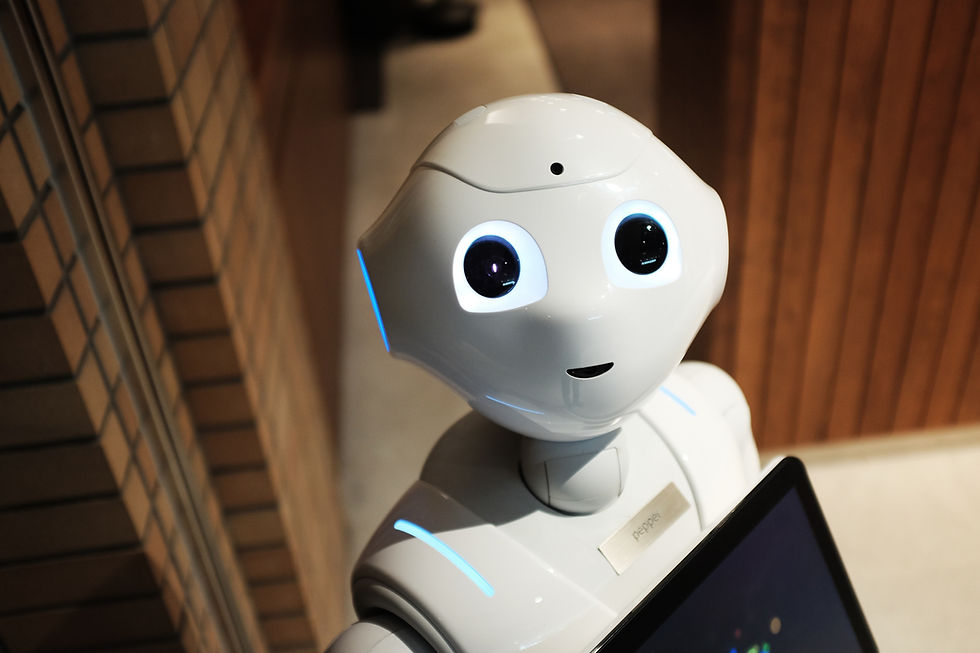
An AI-powered chatbot is a software application that uses artificial intelligence (AI) to simulate human-like conversations with users through text or voice interactions. These chatbots are designed to understand, process, and respond to user inputs in a way that mimics natural human communication. They are commonly used for customer service, information retrieval, and various other interactive applications.
Key Features of AI-Powered Chatbots:
Natural Language Processing (NLP):
Enables the bot to understand and interpret human language.
Utilizes techniques like tokenization, sentiment analysis, and entity recognition to process user inputs.
Machine Learning:
Allows the chatbot to improve over time by learning from interactions.
Uses algorithms to predict user intent and generate appropriate responses.
Context Awareness:
Maintains context within a conversation to provide relevant and coherent responses.
Can handle follow-up questions and remember previous interactions.
Automated Responses:
Provides instant replies to common queries.
Can be programmed with predefined responses for frequently asked questions.
Conversational Flow Management:
Manages the dialogue flow to ensure smooth and logical interactions.
Can handle multiple dialogue paths and switch topics seamlessly.
Integration Capabilities:
Can integrate with various platforms like websites, social media, and messaging apps.
Connects with databases, APIs, and other backend systems to fetch information and perform tasks.
Applications of AI-Powered Chatbots:
Customer Support:
Provides 24/7 assistance to customers.
Handles inquiries, resolves issues, and escalates complex cases to human agents.
E-commerce:
Assists users in finding products, making purchases, and tracking orders.
Offers personalized recommendations based on user preferences and behaviour.
Healthcare:
Schedules appointments, provides medical information, and reminds patients of medications.
Assists with triage by collecting symptoms and offering preliminary advice.
Education:
Tutors students, answers questions, and provides educational resources.
Facilitates remote learning and supports teachers in managing classrooms.
Entertainment:
Engages users with interactive content, games, and storytelling.
Acts as a virtual companion for social interaction.
Examples of AI-Powered Chatbots:
Customer Service Bots:
Chatbots on company websites like the ones used by banks, airlines, and retail stores.
Virtual Assistants:
Examples include Apple's Siri, Google Assistant, Amazon's Alexa, and Microsoft's Cortana.
Messaging Bots:
Chatbots on messaging platforms like Facebook Messenger, WhatsApp, and Slack.
AI-powered chatbots represent a significant advancement in how businesses and services interact with users, offering scalable, efficient, and personalized communication solutions.


Comments